
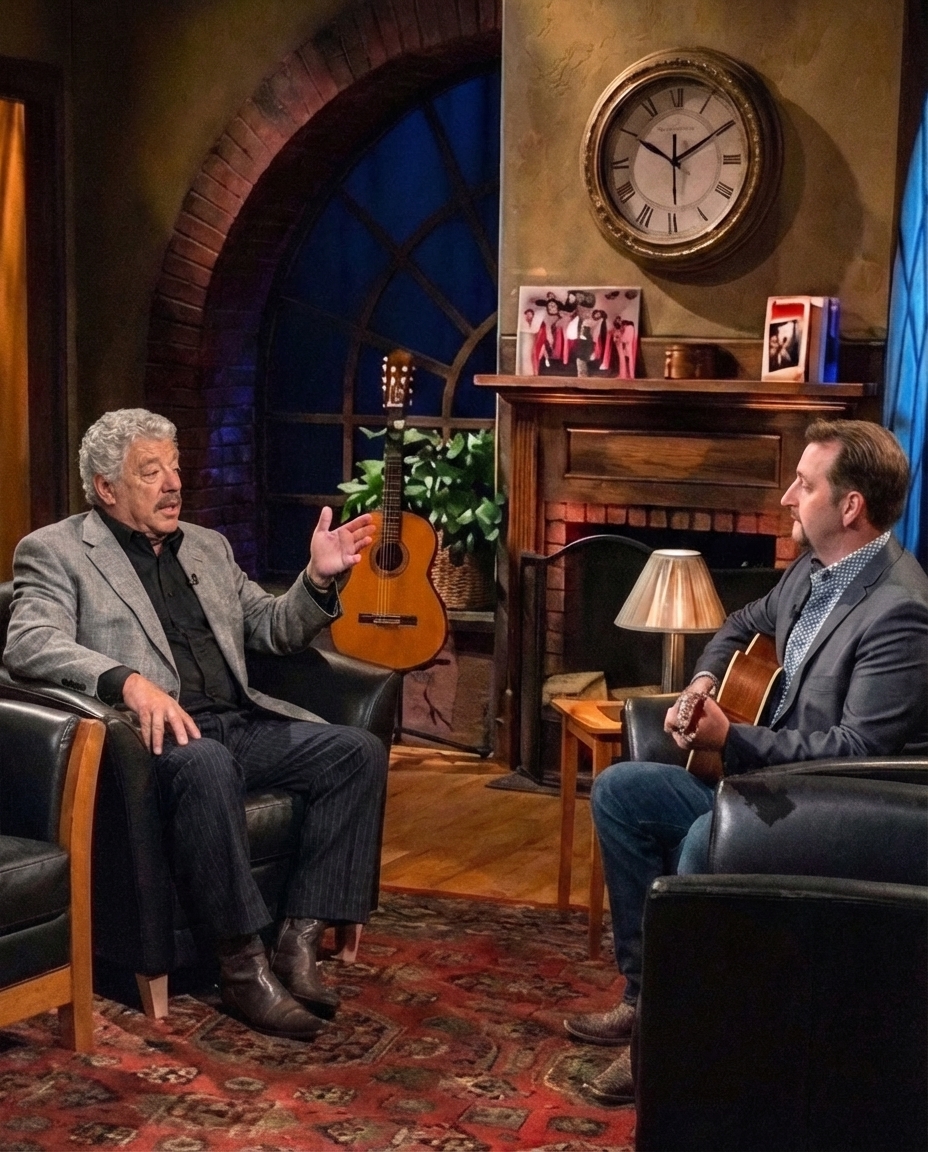
By the time that final spring arrived, Harold Reid had already lived several musical lifetimes. Harold Reid had helped build The Statler Brothers into one of the most beloved groups in country music history, turning harmony into something warm, funny, deeply human, and unmistakable. For decades, fans knew that booming bass voice, the timing, the grin, the way Harold Reid could make a room feel both grand and familiar at the same time.
But in the quiet hills of Virginia, far from the bright stages and applause, life had become smaller and more intimate. The touring years were over. The television lights were gone. The awards had already been won. What remained was family, memory, and the music that had outlasted everything else.
That is what makes the story so moving.
Not a sold-out arena. Not a farewell concert. Not a grand public speech. Just a house, a soft evening, and Harold Reid sitting with the people who knew Harold Reid not as a legend, but as husband, father, grandfather, and the steady presence at the center of a remarkable life.
No Stage, No Audience, Just Family
Wil Reid had grown up inside that legacy. As the son of Harold Reid and later one-half of Wilson Fairchild, Wil Reid understood better than most that harmony was never only about notes. In families like the Reids, harmony was memory passed from one voice to another. It was how stories stayed alive after the people who first sang them grew older and quieter.
On that evening, the atmosphere was not theatrical. No one was trying to create a perfect last moment. That is often what gives stories like this their power. The most unforgettable scenes rarely announce themselves. They arrive softly.
Harold Reid looked at Wil Reid and asked for something simple.
"Sing one of the old harmonies."
It was not a request for performance. It was a request for remembrance.
So Wil Reid sang. Maybe not loudly. Maybe not like a man trying to impress anyone. Just clearly enough for the room to hold it. Clearly enough for the old Statler feeling to return for a moment. A family harmony. A sound shaped by years of listening, learning, and loving the same songs. The kind of harmony that once filled concert halls now floated through a quiet room in Virginia.
The Kind of Smile That Said Everything
Harold Reid listened the way only someone can listen after spending a lifetime inside music. Not as a critic. Not as a star. As a father. As a man hearing something precious continue without him having to explain it.
Then came the line that gives this story its ache.
"Don't let those songs disappear."
It was not only about old records. It was not only about The Statler Brothers. It was about a way of singing that carried faith, humor, home, grief, and love all at once. Harold Reid knew those songs belonged to country music, but also to family. If they were kept alive, then part of Harold Reid would remain alive in them too.
People often imagine last words must be dramatic to matter. Usually, they are not. Usually, they are simple enough to fit inside everyday language. That is exactly why they stay with people forever.
What Stayed in the Room
The next morning, on April 24, 2020, Harold Reid passed away at the age of 80. News of Harold Reid's death spread quickly through the country music world, and fans everywhere remembered the laughter, the bass lines, the gospel roots, the classics, and the unmistakable voice that had anchored The Statler Brothers for more than half a century.
But inside family memory, another picture remained. Not the public Harold Reid. The private Harold Reid. A father asking for one more harmony. A son answering. A room briefly filled with the old sound again.
And that may be the part that lingers most. Not because anyone can fully explain it, but because certain moments do not need explanation. Music entered that room one more time, and it did what great harmony has always done: it made absence and presence stand together in the same place.
Maybe that is why stories like this endure. Because long after the final performance ends, the real legacy is not applause. The real legacy is what one generation quietly places into the hands of the next.
Harold Reid spent a lifetime helping country music sound richer, deeper, and more human. On that last evening, Harold Reid asked for only one thing in return.
Keep the harmony alive.